Project Details
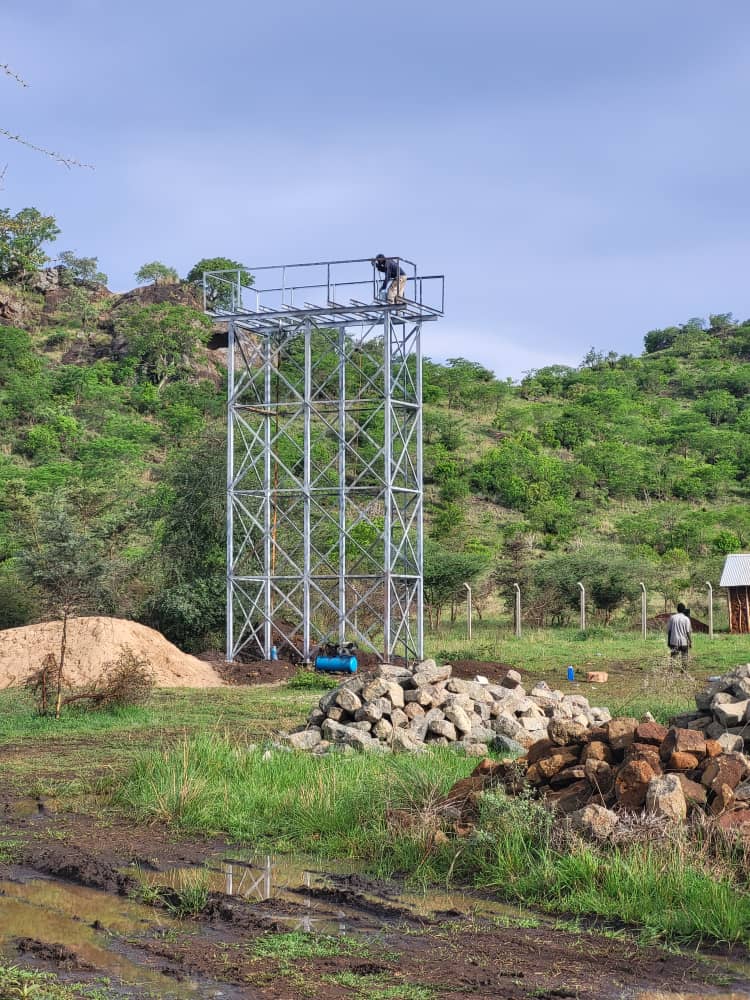
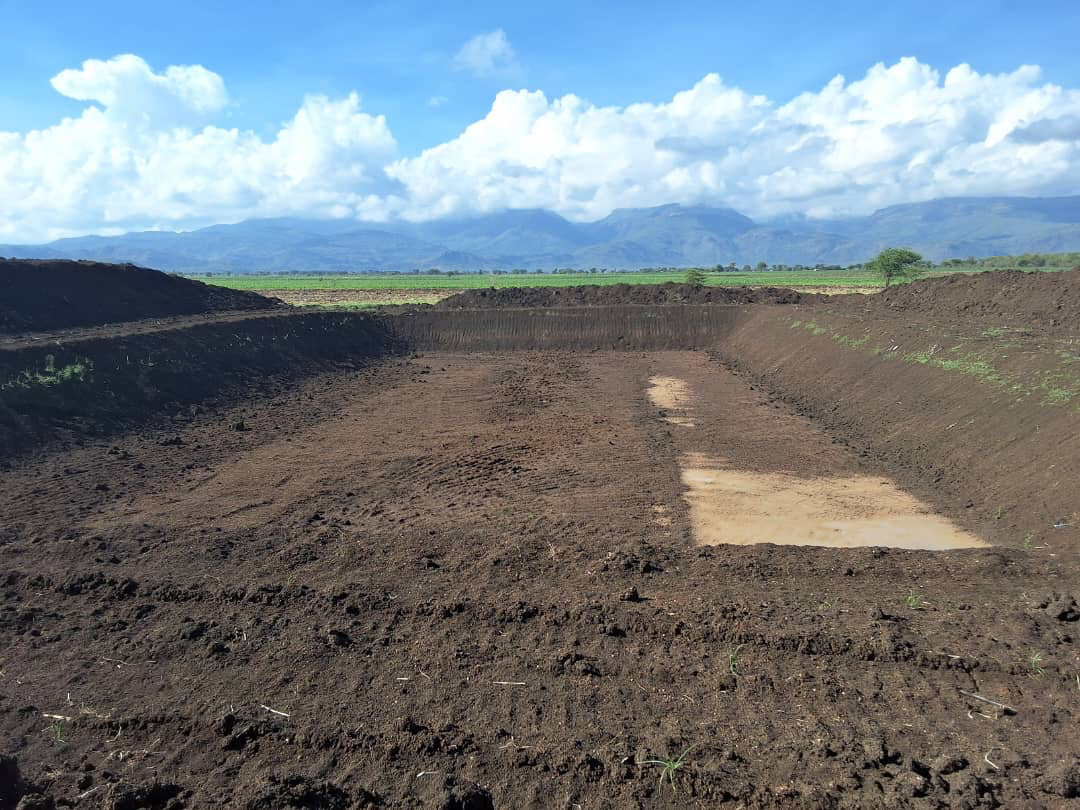
The Mount Elgon region faces a dual and reinforcing climate challenge: destructive excess water during the rainy season and severe water scarcity during dry periods. Intense rainfall frequently triggers soil erosion and landslides on the mountain slopes, stripping away fertile topsoil, destroying farms and infrastructure, and causing loss of life. At the same time, large volumes of floodwater flow downstream into the Ngenge plains—where GVM Company Ltd operates—causing recurrent flooding and property damage. Despite this seasonal abundance, the absence of effective water capture systems means most of this water is lost. In contrast, during dry periods, rivers and surface water sources in Ngenge dry up completely, leaving communities without sufficient water for consumption or agricultural production. GVM Company Ltd’s core innovation addresses this imbalance through an integrated, climate-smart water and agriculture system. At its foundation is a 50,000 cubic metre valley dam that captures and stores floodwater from the mountain slopes, transforming a destructive force into a productive asset. This stored water enables reliable, year-round irrigation in a region otherwise dependent on erratic rainfall. The innovation is further enhanced through the deployment of AI-driven drip irrigation systems that use real-time data on soil moisture, weather conditions, and crop requirements to precisely regulate water application. This ensures optimal water use efficiency, minimizes waste, and maintains consistent crop growth conditions. The system supports the establishment of a high-value Hass avocado plantation, creating a sustainable and commercially viable agricultural model that can be extended to surrounding smallholder farmers. Compared to existing alternatives, this approach represents a significant advancement. Most farmers in the region rely on rain-fed agriculture or inefficient irrigation methods such as surface or flood irrigation, which are highly vulnerable to climate variability and result in substantial water loss and inconsistent yields. There is also limited access to data-driven decision-making tools that can guide efficient resource use. GVM’s innovation improves upon these systems by: Converting unmanaged floodwater into a reliable irrigation resource Reducing water use by up to 40–60% through precision drip irrigation Increasing resilience to climate shocks by stabilizing water availability Enabling transition to high-value crops with stronger market returns Providing a scalable and replicable model for climate-smart agriculture in similar environments Importantly, this model has strong applicability beyond the immediate project site. The Karamoja agroecological zone shares similar characteristics with Ngenge, including erratic rainfall patterns, seasonal flooding, prolonged dry spells, and chronic water scarcity. By demonstrating the technical and economic viability of integrated water harvesting and smart irrigation in Ngenge, GVM is creating a proof-of-concept that can be adapted and scaled across Karamoja and other semi-arid regions. This positions the innovation not only as a local solution, but as a regional pathway for transforming climate-vulnerable agricultural systems into resilient, productive, and sustainable economies.