The Karamoja agroecological zone in north-eastern Uganda faces several post-harvest handling challenges for maize. These challenges contribute to significant grain losses, reduced food security, and lower incomes for farming households.
Challenges of Post-Harvest Handling of Maize in the Karamoja Agroecological Zone
Inadequate drying
Farmers often dry maize on bare ground, exposing it to dirt, moisture, livestock, and contamination.
Unpredictable rainfall during the harvest season makes proper drying difficult, resulting in high grain moisture content.
Poor storage facilities
Most households use traditional granaries or ordinary sacks that do not adequately protect maize from moisture, insects, and rodents.
Limited access to improved storage technologies such as hermetic bags or metal silos increases storage losses.
Challenges of Post-Harvest Handling of Maize in the Karamoja Agroecological Zone
Pest Infestation
Maize is affected by storage pests such as maize weevils and the larger grain borer, which damage stored grain.
Rodents also destroy stored maize, reducing both quantity and quality.
Fungal Contamination and Aflatoxins
Poor drying and storage conditions encourage mould growth, especially from Aspergillus species that produce aflatoxins.
Aflatoxin-contaminated maize poses serious health risks and reduces acceptance in local and commercial markets.
Limited Post-Harvest Equipment
Many farmers lack essential equipment such as maize shellers, moisture meters, tarpaulins, and improved storage structures.
Manual shelling increases labour demands and may cause grain damage.
Poor Transport Infrastructure
Inadequate rural roads and long distances to markets delay maize transportation.
Delays increase exposure to rainfall, moisture, and physical damage during handling and movement.
Limited Access to Extension Services
Many farmers receive inadequate training on proper drying, grading, storage, and pest management practices.
A shortage of extension workers limits access to improved post-harvest technologies and knowledge.
Climate Variability
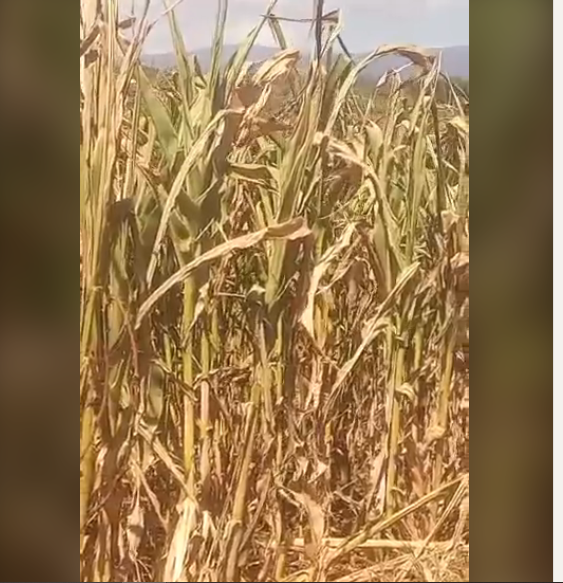
Erratic rainfall and prolonged dry spells in Karamoja make harvesting and drying schedules difficult to manage.
Unexpected rainfall during drying increases maize spoilage and quality deterioration.
Financial Constraints
Many smallholder farmers cannot afford improved storage facilities, drying equipment, or pest control products.
Limited access to agricultural credit slows the adoption of better post-harvest technologies.
Low Market Access and Price Fluctuations
Farmers often sell maize immediately after harvest due to limited storage options or urgent financial needs.
Selling during the harvest glut leads to lower prices and reduced household income.
Effects of These Challenges
Increased post-harvest losses in maize quantity and quality.
Reduced household food security and availability of food supplies.
Lower incomes for maize-producing households.
Increased risk of foodborne illnesses due to aflatoxin contamination.
Reduced availability of high-quality maize for commercial markets and seed production.
Possible Solutions
Promote proper maize drying using tarpaulins and raised drying platforms.
Increase access to hermetic storage bags and metal silos.
Strengthen agricultural extension services and farmer training programs.
Improve rural roads and market infrastructure.
Support farmer groups with affordable credit for post-harvest technologies.
Encourage regular pest monitoring and integrated storage pest management.
Increase awareness, testing, and prevention of aflatoxin contamination.