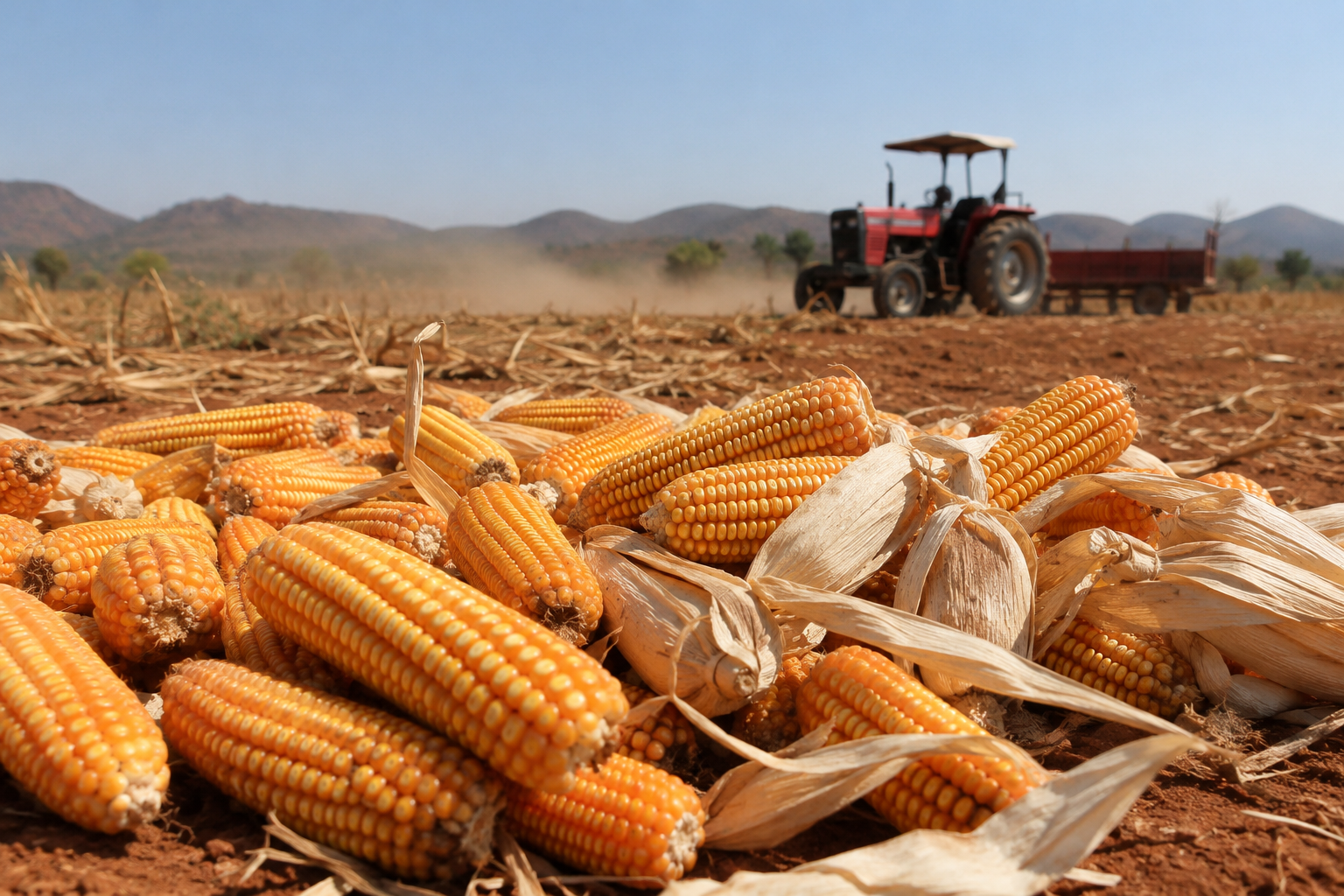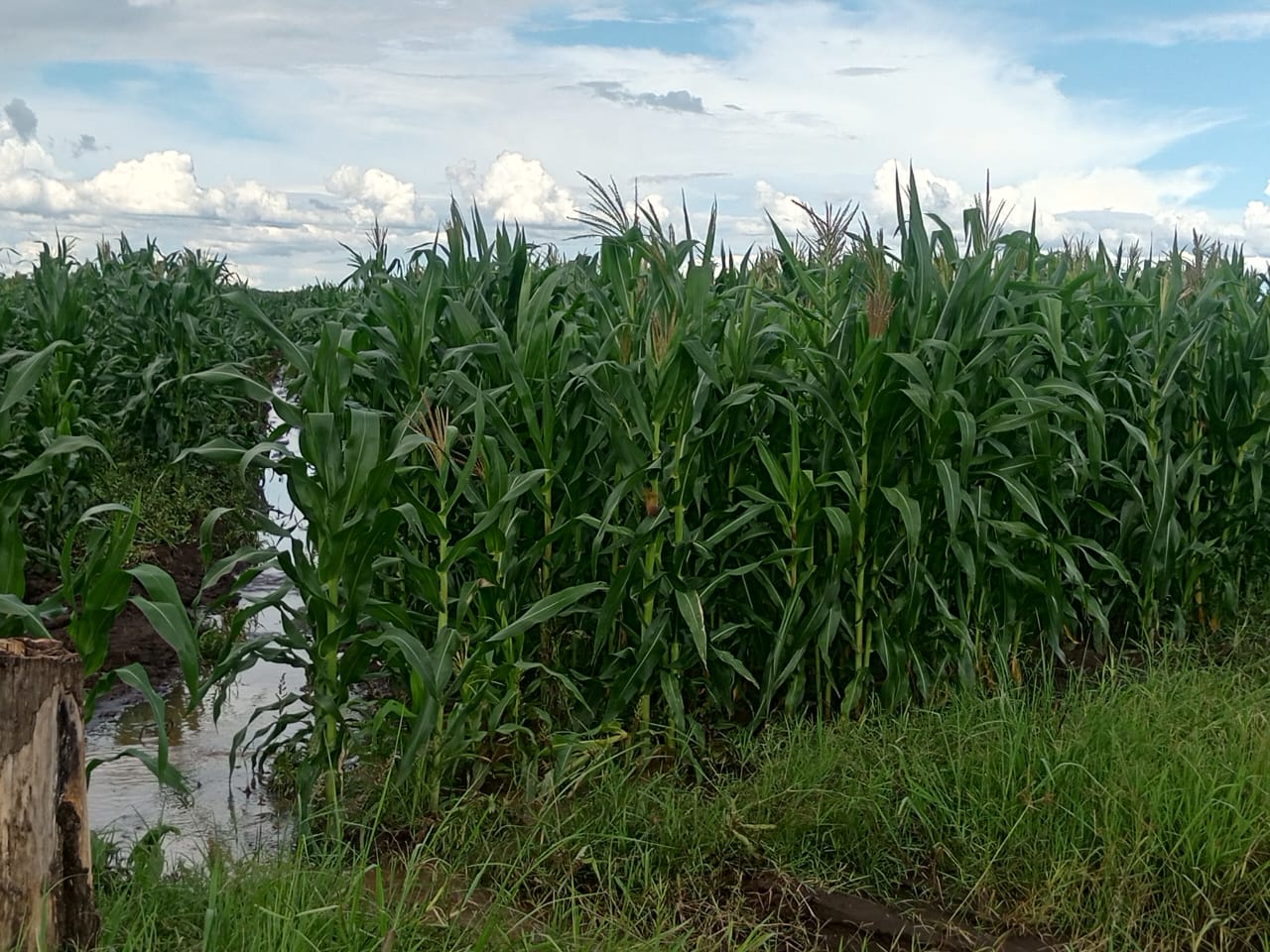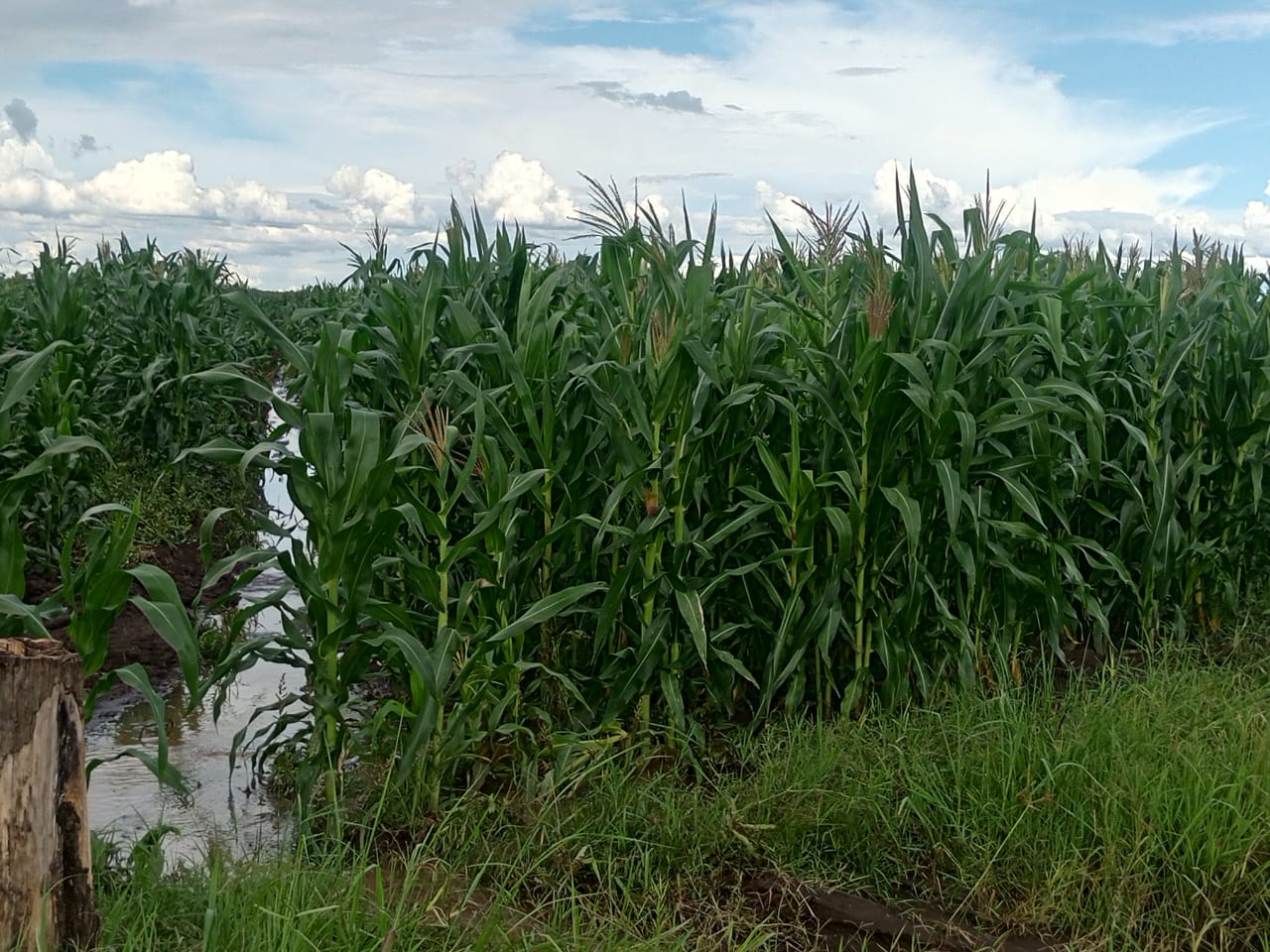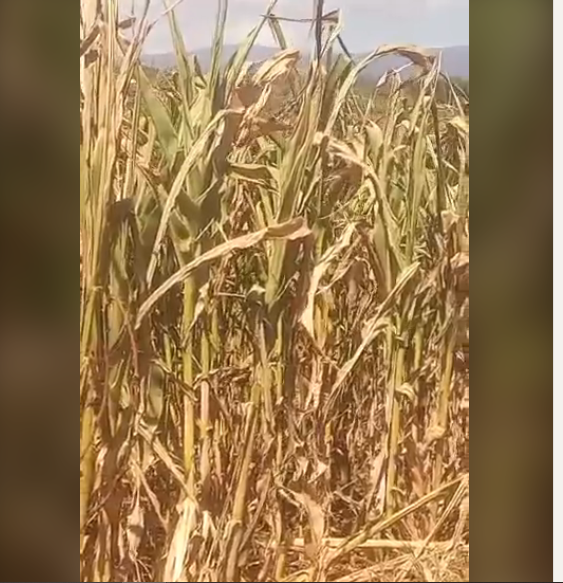
For the majority of households in Lower Sebei, maize is not only a staple food crop but also the primary source of income. The anticipated harvest losses therefore threaten both food security and household livelihoods, increasing the risk of hunger, malnutrition, and poverty among vulnerable communities.
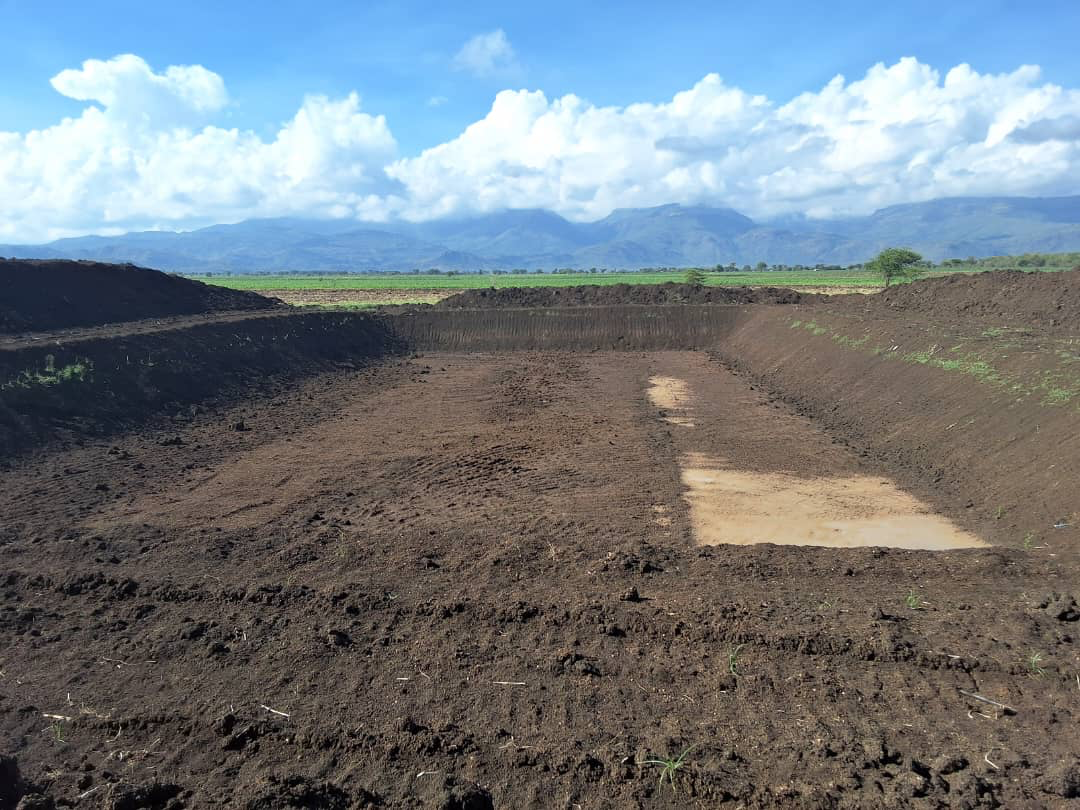
In light of this situation, there is an urgent need for government intervention. Priority should be given to expanding investments in water-for-production infrastructure, including valley dams, water reservoirs, boreholes, irrigation systems, and rainwater harvesting technologies. Such investments would enhance resilience to climate variability and reduce dependence on increasingly unreliable rainfall.
At the same time, government agencies and humanitarian partners should undertake rapid assessments of the affected areas and prepare contingency plans for food assistance and livelihood support should crop failure become widespread. Early action can help mitigate the impacts of the drought and protect vulnerable households from severe food insecurity.
The current situation underscores the importance of climate-smart agriculture and sustainable water resource management as critical pillars for safeguarding food production and livelihoods in Lower Sebei and other drought-prone regions of Uganda.